When summer arrives, heat becomes a genuine risk for anyone working on construction sites, in fields or inside an unventilated industrial building. The good news is that heat is no longer an unexpected event: today it can be forecast day by day and addressed with specific measures. The tool that has changed the rules of the game is called Worklimate: the heat-risk forecasting service developed by INAIL and CNR.
In this article, we explain what workplace heat risk is, how to use Worklimate in a few steps and how to turn an alert level into concrete decisions, from risk assessment to protecting the people most exposed.
Workplace heat risk: when high temperatures become dangerous
Heat risk arises when the body can no longer dissipate the heat it accumulates because of the environment and physical exertion. Thermal stress is the condition of overload, while heatstroke is its most serious manifestation and a potentially fatal medical emergency.
What many people overlook is that the thermometer alone tells us very little. Actual exposure depends on humidity, solar radiation, ventilation, work intensity, clothing and the individual worker’s condition. This is why a technical assessment does not rely on the temperature shown by a weather app, but on dedicated indices such as WBGT (governed by UNI EN ISO 7243), which combines these factors. Anyone laying asphalt or handling heavy loads generates internal heat in addition to environmental heat and may be at risk even below 30°C.
What Worklimate is and why it is the reference tool
Worklimate is a project coordinated by INAIL and CNR that provides heat-risk forecasts designed for workers, not for tourists at the beach. The distinction is important: forecasts are calculated for worker profiles and differentiate between working in the sun or shade and between strenuous and light activity.
The value of this tool is not merely theoretical. CNR reports that, in areas where orders are based on Worklimate, heat-related workplace accidents fell by 20% to 40%, with the largest reductions on high-risk days. Knowing in advance when danger will arise makes it possible to organize work and genuinely prevent accidents instead of chasing an emergency after it has begun.
How to use Worklimate, step by step
Using Worklimate is simple and requires no technical expertise. Here is how to incorporate it into the working day, especially in the most exposed sectors, such as construction, agriculture, logistics and road maintenance.
- Open the heat-risk forecast map on the project portal and locate your area.
- Select the correct profile: work in the sun or shade, and intense or moderate physical activity. The risk level changes according to these choices.
- Read the alert level forecast for the day and the following days.
- Check the service every morning during the hot season: conditions change from day to day.
A word of caution: the map supports decision-making but does not replace the risk assessment. It guides choices, but responsibility for the specific measures remains with the employer.
From the alert level to legal obligations: DVR, regional orders and wage-support measures
Knowing that the risk is high is the first step; the second is taking the action required by law. Obligations concerning work in high-heat conditions operate on three levels.
- The first is the DVR. Italian Legislative Decree 81/2008 requires the employer to assess all risks, including those associated with the microclimate and high temperatures, and to record the exposed duties and adopted measures in the Risk Assessment Document. This duty cannot be delegated.
- The second concerns regional orders. In recent summers, several Regions have prohibited outdoor work during the central hours of the day (generally from 12:30 p.m. to 4:00 p.m.) on high-risk days, often linking the ban to Worklimate levels. Times, sectors and dates vary from one Region to another and from year to year, so the order applicable to the workplace must be checked.
- The third is wage support. When the temperature, including the perceived temperature, exceeds 35°C, the company may suspend operations and apply for CIGO ordinary wage supplementation for weather events. This protects workers’ income without jeopardizing the contract. It may also apply to certain indoor environments that cannot be air-conditioned.
Prevention and first aid: what to do when the alert is high
Effective prevention cannot be reduced to “drink water.” On high-risk days, the measures that truly matter are organizational: move heavy work to the cooler hours, increase breaks in shaded areas, ensure that cool drinking water is readily available, rotate duties and provide gradual acclimatization for workers returning from leave or newly hired.
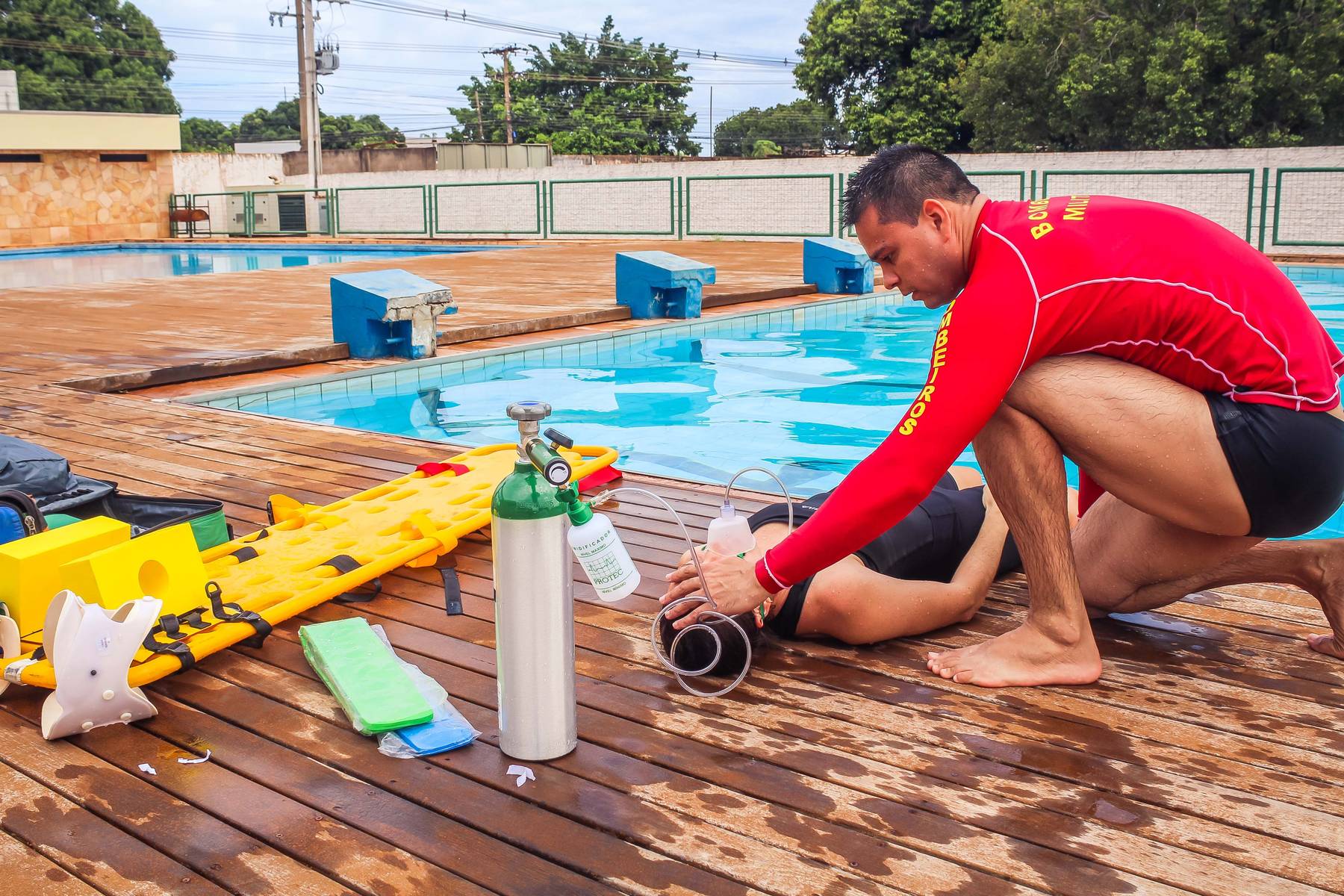
It is also essential to recognize an emergency. Early signs include headache, dizziness, cramps, heavy sweating and reduced concentration. Confusion, altered consciousness or seizures indicate heatstroke: work must be stopped immediately, the person moved to a cool place and cooled down, and 112 must be called at once. Training supervisors to intervene is part of the employer’s health and safety duties.
Heat is no longer unpredictable
For the law, and now also for the courts, heat is no longer an unforeseeable event: it is a risk that must be assessed and managed like any other. Worklimate provides the forecast, the DVR provides the method, and work organization does the rest. Combining them protects people and safeguards the company.
To be compliant before the next heatwave, our technicians can help you correctly include heat risk in the DVR and prepare measures suited to your activities. Find out how to bring your company into compliance simply and without having to leave your premises.
Frequently asked questions from clients
Here are the questions our clients ask most often.
- At what temperature must work stop by law? There is no single threshold that applies to every job: the risk depends on humidity, solar radiation, ventilation, physical effort and clothing, not only on temperature. There are, however, two practical references: regional orders prohibiting work during the central hours of high-risk days, and the 35°C threshold, including perceived temperature, above which wage-support measures may be requested.
- Must heat risk be included in the DVR even for indoor work? Yes, when high temperatures may affect workers’ health. An unventilated industrial building, an industrial kitchen or a foundry are fully fledged hot indoor environments. Italian Legislative Decree 81/2008 requires all risks to be assessed: the DVR must describe the exposed duties, assessment criteria and adopted measures, regardless of whether the work is performed outdoors or indoors.
- Does Worklimate replace the company’s risk assessment? No. Worklimate is a valuable forecasting tool, but it remains a decision-support resource. Its maps estimate risk levels for worker profiles in a given area, while the assessment must consider the actual conditions of your construction site or department: duties, equipment, PPE and workers’ health. Use it to guide daily decisions, but always support it with an up-to-date, specific DVR.