Every summer, the same scene repeats itself: temperatures rise, weather alerts are issued, and the usual question comes up: can I make my team work in this heat?
Working in extreme heat is no longer an unexpected issue to be handled at the last minute, but a risk that the law requires employers to assess and prevent, with specific responsibilities for anyone who has employees. The good news is that compliance is not complicated. Without unnecessary alarm, let us look at employers’ obligations, the measures to adopt, and how to get through the summer with the team safe and the company prepared for an inspection.
When Heat Becomes a Risk That Must Be Assessed
The first misconception to clear up is this: in Italy, there is no statutory maximum temperature above which work is prohibited. What matters is not simply the thermometer reading, but the outcome of the risk assessment. The risk depends not only on hot air, but on a combination of factors: humidity, sun exposure, the intensity of physical exertion, shift duration, and the protective equipment being worn.
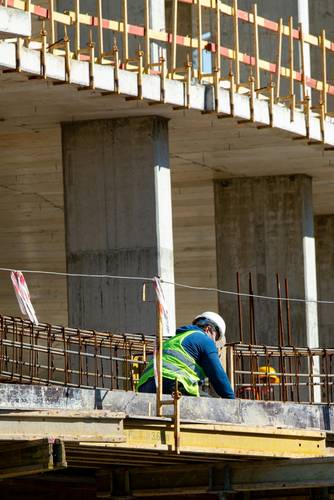
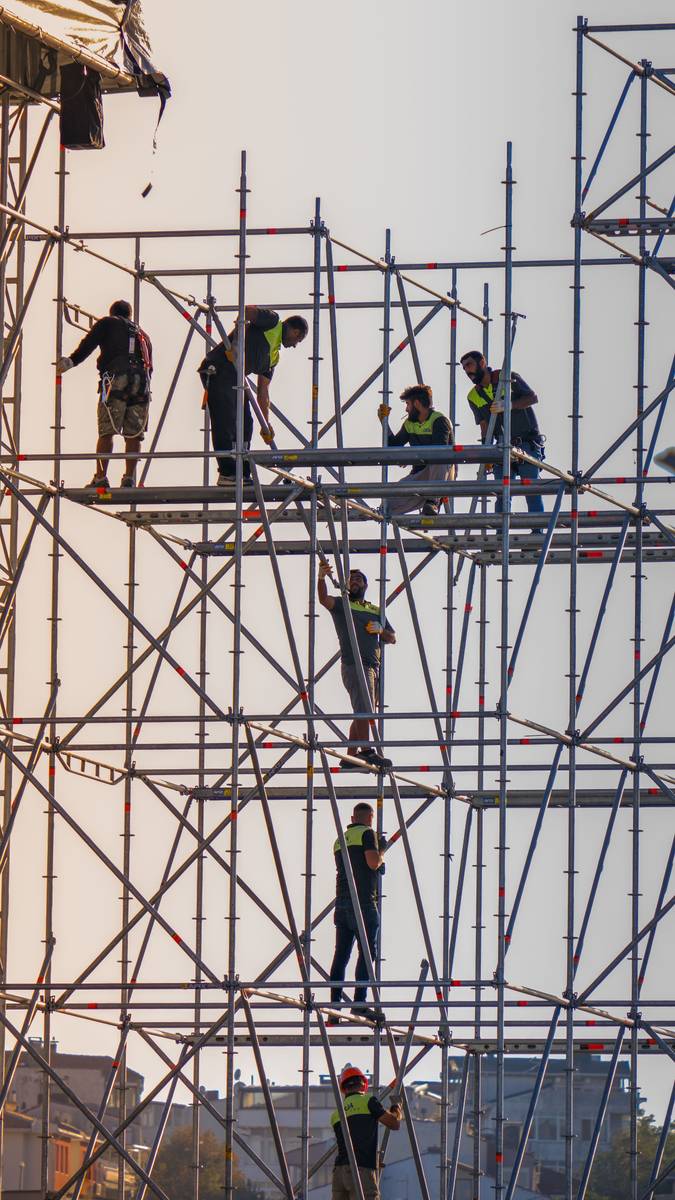
This is why the risk varies from one job to another. On construction sites, heat risk is real (direct sunlight, physical fatigue, and few shaded areas), but it is not limited to outdoor work: non-air-conditioned industrial buildings, warehouses, commercial kitchens, and departments with ovens can reach severe conditions even without an external heatwave. The assessment must cover both outdoor and indoor scenarios.
Discover our services: DVR, POS, emergency plan
What Heat-Related Regulations Say About Employer Obligations
Heat-related rules are not contained in a single “heat law”; they derive from the general framework of Italian Legislative Decree 81/08, the Consolidated Workplace Safety Act. Article 28 requires all risks to workers’ health, including microclimate, to be assessed. Article 2087 of the Italian Civil Code also requires employers to protect the physical and moral integrity of their employees.
In practical terms, the employer has two obligations: to include heat risk in the DVR (Risk Assessment Document), with concrete measures proportionate to the activity, and to implement those measures in practice. A generic statement such as “workers are advised to drink water” is not enough and will not stand up during an inspection. The most recent references follow the same approach, including the framework protocol on climate emergencies and the guidance issued by the Italian National Labour Inspectorate for summer inspections, which require verification that the measures are actually implemented, not merely written down. Failing to assess the risk exposes the employer to liability and penalties.
Regional Orders and Work Stoppages During the Hottest Hours: Summer 2026
Alongside the permanent obligations under Legislative Decree 81/08, there are seasonal measures. On alert days, many Italian Regions issue orders prohibiting certain outdoor activities during the central hours of the day, typically from 12:30 p.m. to 4:00 p.m., in the most exposed sectors such as construction, agriculture, and logistics. The rules vary by territory and over time, so they must be checked for the relevant Region before organising shifts.
A free public tool is available to identify critical days: the Worklimate platform developed by INAIL and CNR. It provides heat-risk forecasts by location and worker profile and can support decisions to adjust working hours or suspend activities. When work stops because of heat, the wage supplementation scheme for weather-related events may apply.
Preventive Measures: Organisation First, Then DPI
For heat risk, the golden rule of safety applies: first act on work organisation, then on personal protection. Protecting workers from heat requires concrete, verifiable measures:
- Reschedule working hours, moving the heaviest tasks to the cooler morning hours.
- Plan regular breaks in shaded or cool areas.
- Ensure that fresh drinking water is always available.
- Provide an acclimatisation period for new hires and seasonal workers.
- Rotate tasks and never leave anyone working alone in critical conditions.
Particular attention must be paid to more vulnerable workers, due to age or health conditions, whose management should be defined with the occupational physician. Protective equipment and clothing come only afterwards: breathable garments and sun protection help, but PPE alone does not eliminate the risk and, if heavy or poorly breathable, can even increase heat strain. It is the last measure, not the first response.
Training and First Response: What Workers and Supervisors Need to Know
Measures work only if people know how to recognise the danger. For this reason, training and informing workers about heat risk are part of the employer’s obligations, not an optional extra. Every worker should be able to distinguish early warning signs (intense thirst, cramps, headache, and weakness) from severe symptoms of heatstroke, such as confusion, hot and dry skin, or loss of consciousness. Heatstroke is a medical emergency and requires calling 112 immediately.
The supervisor (preposto) plays a key role and must monitor conditions and intervene when they become dangerous: remove the worker from exposure, take them to a cool place, help them rehydrate, and call emergency services whenever there is doubt. To ensure that this is not merely written on paper, a clear emergency procedure is needed: who checks the alert, who decides to suspend work, how workers are notified, and what training is appropriate for each role.
Suggested courses: supervisor course, RSPP course, RLS course
Bringing Your Company into Compliance Is Straightforward
Managing work in extreme heat does not require improvisation. It requires assessing the risk in the DVR, establishing concrete measures, and preparing people. This is a manageable process for any company: it protects the team and shields the business from penalties and disputes. If you are unsure whether your risk assessment is up to date on heat-related risks, or you want to train workers before the next inspection, we can help. We update the DVR and provide online training with qualified specialists and no geographical restrictions.
Frequently Asked Questions from Clients
Here are the questions we receive most often from our clients.
- At what temperature can work be stopped because of heat? The law does not set a fixed threshold that applies to everyone. The obligation arises from the risk assessment, which considers temperature, humidity, sunlight, physical exertion, and the equipment worn together. On critical days, regional orders may also prohibit certain outdoor activities during specified time periods; the rules must be checked for the relevant Region.
- What should the supervisor do if a worker becomes unwell because of the heat? The supervisor must act immediately: remove the person from exposure, take them to a cool place, give them water if they are conscious, and call 112 if heatstroke is suspected. This is part of the statutory duty of supervision and assumes that both the supervisor and the team have received adequate training.
- How can we become compliant quickly before an inspection? The process is straightforward: update the DVR with a heat-risk assessment and train workers on the correct procedures. We manage everything online, with qualified specialists and no geographical restrictions, so your company can become compliant before the next inspection without anyone having to leave the workplace.