

World Day for Safety and Health at Work: why it is essential to celebrate it every year
World Day for Safety and Health at Work, established by the ILO (International Labour Organisation) in 2003, is celebrated every year on 28 April with the aim of raising awareness among companies, workers and institutions on the issue of safety at work. This day was created to highlight the importance of preventing accidents, occupational diseases and often underestimated risks, promoting a culture of prevention based on compliance with regulations and continuous training.
In a context where accidents still represent a major critical issue in the world of work, the World Day for Safety and Health at Work invites companies and workers to stop and reflect: safety is not a cost, but an essential investment in quality of life and business sustainability.
Risk assessment: the cornerstone of prevention in the workplace
Among the pillars of protection provided for by the Consolidated Law on Safety, risk assessment is a fundamental activity for preventing accidents and occupational diseases. Every company, regardless of size and sector, must draw up its own Risk Assessment Document (DVR): a complete map of the critical issues present in the workplace and the measures to reduce or eliminate them. The DVR is the tool that allows figures such as the RSPP, competent doctor and RLS to work together with a view to concrete and effective prevention.
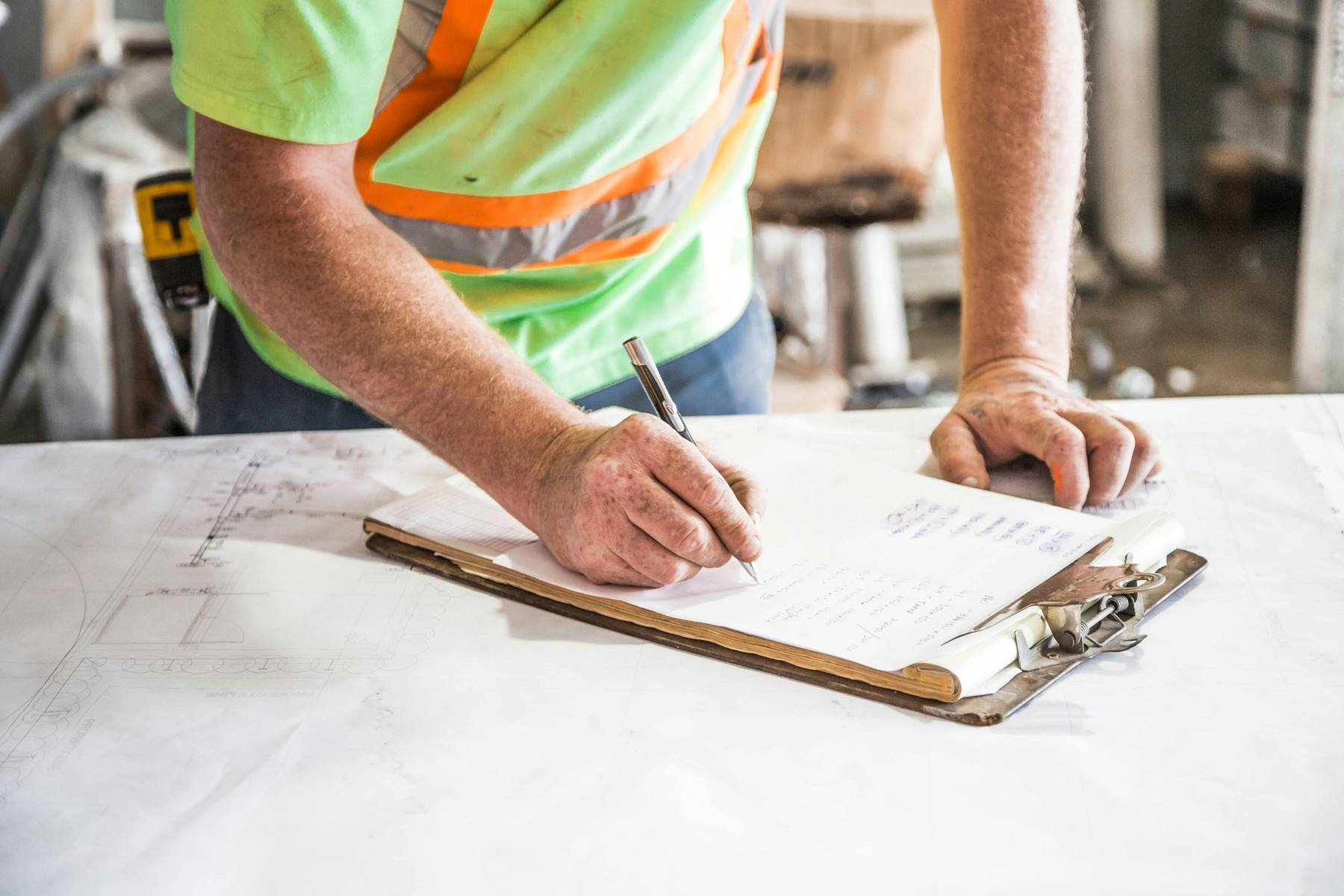
Everything depends on a correct risk assessment: training, operating procedures, protective measures, safe behaviour. For this reason, relying on a professional and up-to-date service in the drafting of the DVR is essential to ensure regulatory compliance and real protection for workers.
Work-related stress: risks, consequences and symptoms that should not be ignored
Work-related stress is now an increasingly common risk in the workplace, to the extent that it is considered on a par with any other physical or organisational hazard. For this reason, assessing work-related stress is mandatory for all companies and essential for protecting workers' health. Recognising the signs is crucial. The symptoms of work-related stress may initially manifest themselves in mild forms, such as increased irritability, difficulty concentrating or loss of motivation. Over time, they can develop into more serious disorders: insomnia, persistent anxiety and emotional tension that accompanies the entire working day. In many cases, stress also has physical consequences, such as recurrent headaches, constant fatigue or gastrointestinal disorders.
There can be many different underlying causes: excessive workloads, repetitive tasks, unclear responsibilities, conflicts between colleagues or fast-paced work that leaves no room for recovery and balance. When these factors are not managed properly, stress ends up affecting both personal well-being and company productivity, leading to absenteeism, staff turnover and a negative working environment. This is why it is important to monitor work-related stress, identify its causes and implement corrective measures. It is both an obligation and an investment in health, quality and sustainability.
Technology and safety: how are innovative tools changing the workplace?
Technology is becoming an increasingly important resource in safety management. The introduction of automation and digital systems can help to drastically reduce accidents, particularly in repetitive or dangerous tasks.
- Automation of risky activities. Robots and intelligent machinery are replacing the most risky or repetitive tasks performed by workers, reducing their exposure to heat, harmful substances, heavy loads and critical processes. This means fewer accidents and a more controlled environment.
- Continuous monitoring of working conditions. Sensors and digital systems allow real-time detection of gases, abnormal temperatures, noise and vibrations. Immediate alerts help to intervene before a problem becomes an emergency.
- Wearable devices. Smart bracelets, helmets or belts support workers by monitoring fatigue, posture, heart rate or exposure to risk factors. These tools help to prevent illness and improve safety awareness.
- Safety management software. Dedicated programmes allow you to monitor training deadlines, PPE maintenance and use, records, checklists and regulatory updates. This helps RSPPs and companies to always comply with the Consolidated Safety Act and reduce organisational errors.
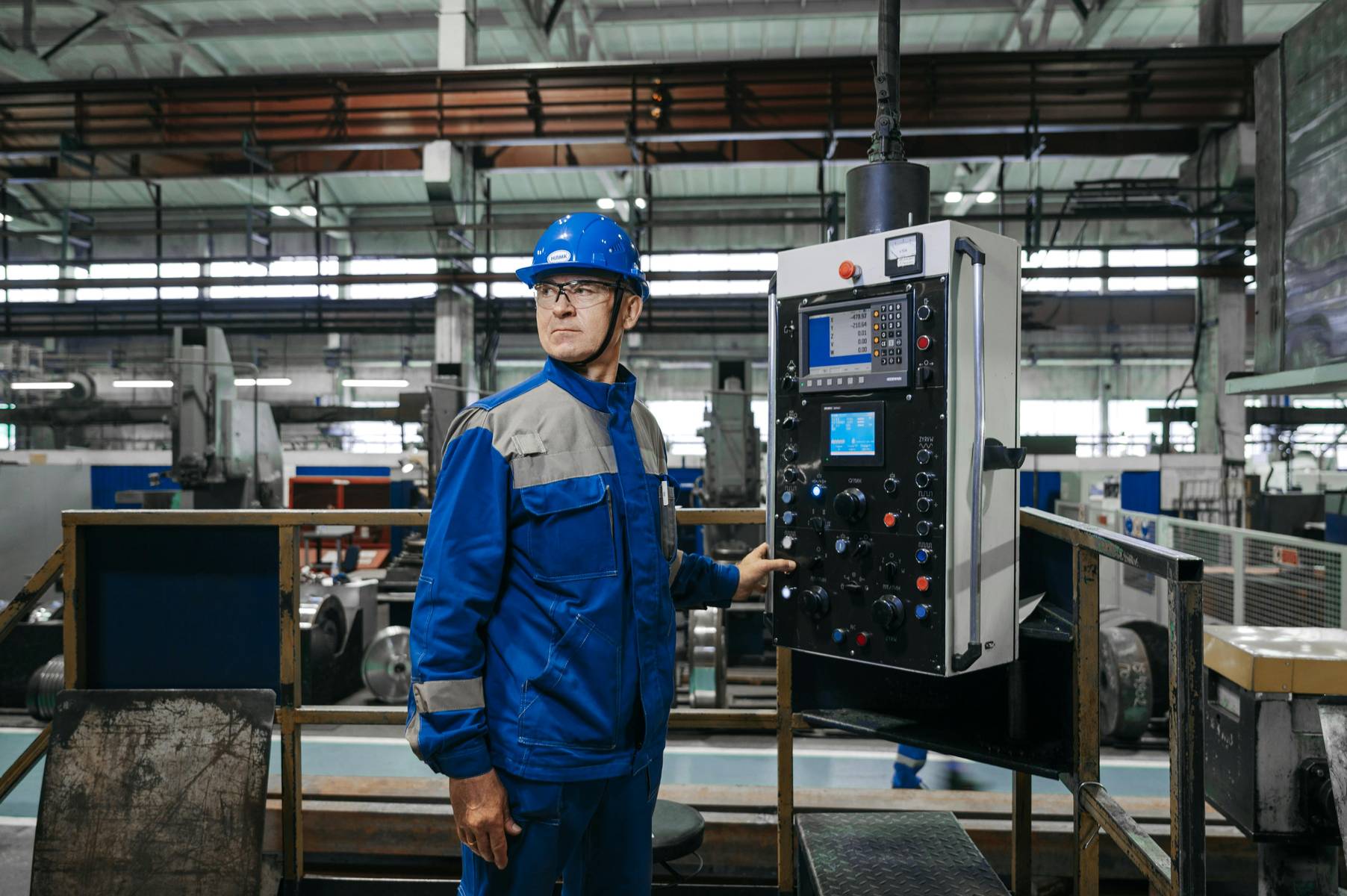
When integrated correctly, technology does not replace humans, but protects them, making work safer, more efficient and more modern.
Emergency and evacuation plans: why they are essential
Every company must have an emergency plan in place, an essential tool for dealing with fires, gas leaks, natural disasters or other critical situations. Emergency and evacuation plans define roles, procedures and behaviours to be adopted to protect workers and ensure an orderly and safe exit from the workplace. A good plan must include:
- Analysis of possible emergency scenarios.
- Escape routes and assembly points.
- Tasks of emergency management personnel.
- Communication and alert procedures.
- Periodic evacuation drills.
Only through regular testing and adequate training can it be ensured that, in case of need, every worker knows exactly what to do.
Let's start building a truly effective safety culture
World Day for Safety and Health at Work is a strong call to comply with the Consolidated Law on Safety, keep mandatory documents up to date, train staff and develop a culture of prevention in order to build stronger companies that are more aware and protective of the people who contribute to their growth every day.