
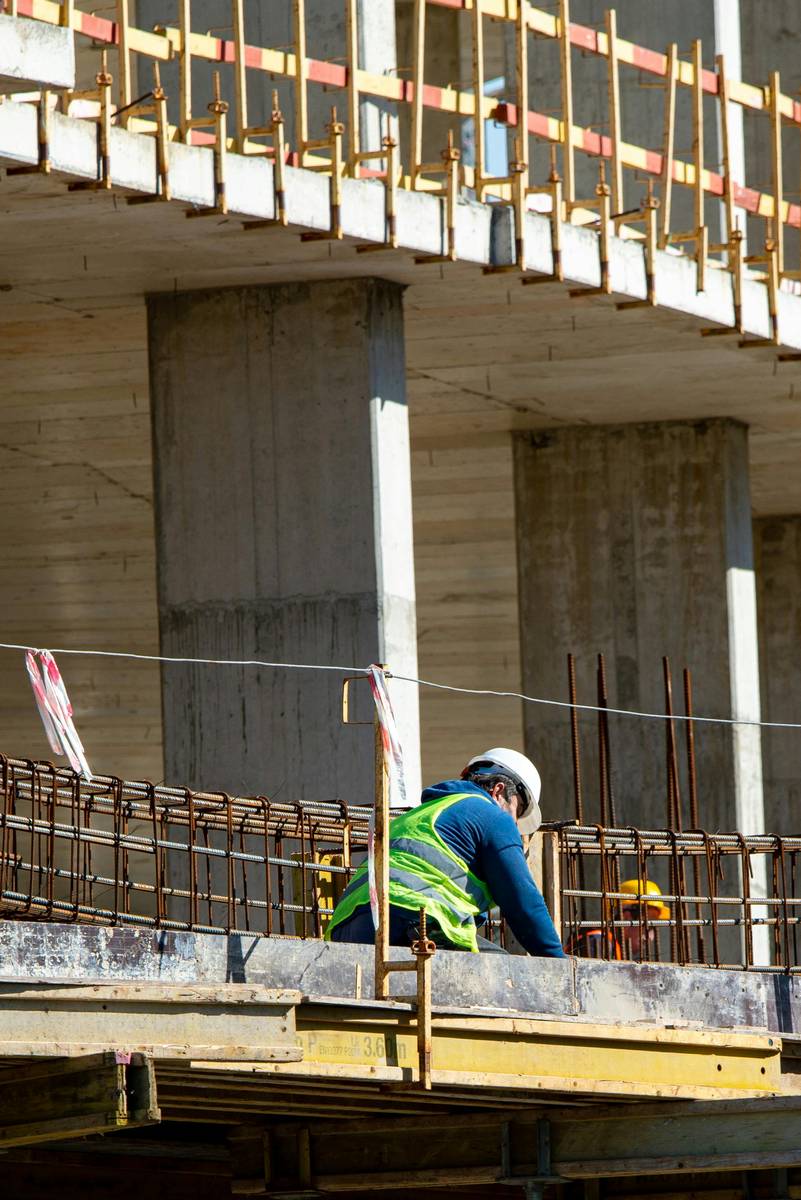
Talking about workplace safety means talking about responsibility. Not only legal obligations, but daily choices that directly affect workers’ health and well-being. In a regulatory environment that is constantly evolving, staying up to date is not an option: it is a duty.
Protecting workers means understanding the real risks present in the company, assessing them and taking action through proper training and prevention. Among the topics that are often underestimated, yet very common, are noise risk and vibration risk—two factors that, over time, can have serious consequences for workers’ health.
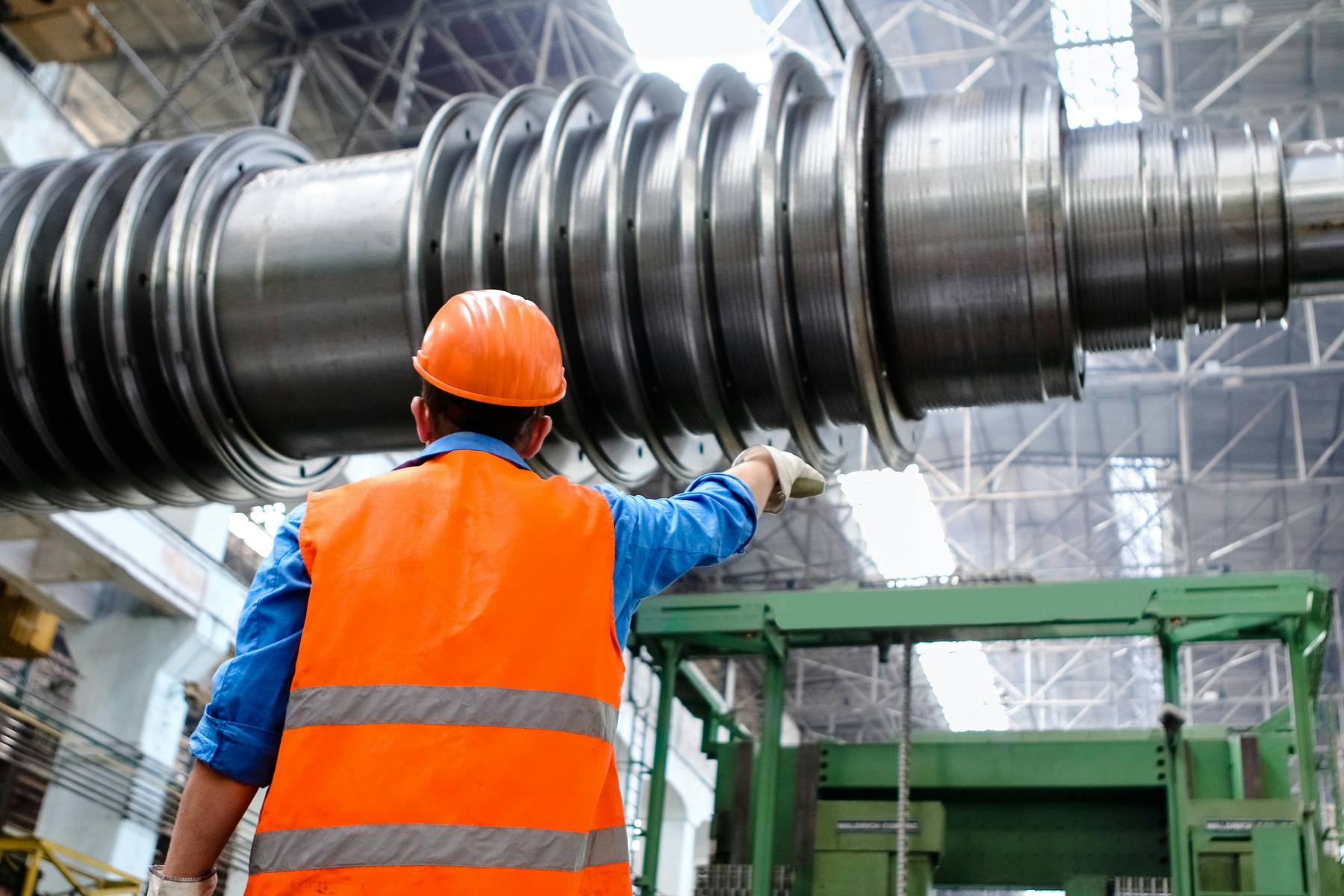
The Key Role of the Supervisor in Safety
A central figure in safety management is the supervisor (preposto). This is the person who, on the ground, oversees work activities, reports hazardous situations, and ensures that procedures are followed. For this reason, supervisor training and refresher courses are essential tools to make prevention and safety truly effective.
A trained and up-to-date supervisor is able to recognize risks, act promptly, and serve as a link between workers and the employer. Their responsibility is real and day-to-day, and that is precisely why periodic updates are essential.
Noise Risk: A Often Invisible Danger
Noise risk is one of the most common risks in workplaces, especially in production, craft, and industrial sectors. The main problem is that it is often not perceived as dangerous, because the damage is not visible, but it can be immediate: a powerful impulsive noise can cause harm to a person.
Prolonged exposure to high noise levels can cause hearing loss, stress, difficulty concentrating, and an increased risk of accidents. The noise risk assessment serves exactly this purpose: to measure workers’ actual exposure and identify the most appropriate preventive measures. Acting promptly means protecting workers’ health and reducing the risk of penalties for the company, while also improving the quality of the working environment.
Vibration Risk: Attention to Whole-Body and Hand-Arm Vibrations
Alongside noise, another widespread risk is vibration risk, often linked to the use of machinery, equipment, and work vehicles. In particular, we talk about whole-body vibration when vibrations are transmitted to the entire body, as happens, for example, for those who use industrial vehicles or earth-moving machinery.
Vibration risk, regulated by Legislative Decree 81/08, requires the employer to assess workers’ exposure and adopt appropriate preventive measures. A vibration risk assessment helps determine whether exposure limits are being respected and whether it is necessary to intervene with organizational, technical, or training-related changes. In this case as well, the risk should not be underestimated: over time, vibrations can cause musculoskeletal disorders, spinal problems, and chronic fatigue.
Staying Up to Date to Prevent, Not Only to Comply
Addressing topics such as noise risk and vibration risk does not only mean “being compliant,” but taking care of the people who work in the company every day. Supervisor training and risk assessments are concrete prevention tools, not mere bureaucratic requirements. Investing in updates and assessments means reducing injuries, improving the workplace climate, and demonstrating genuine attention to safety: an approach that protects workers and strengthens the company over time.
Safety as a Shared Responsibility
Protecting workers stems from collaboration between the employer, supervisors, and employees. Everyone has a specific role, but it all starts with knowledge of risks and the willingness to manage them consciously.
Updating skills, correctly carrying out noise risk assessments and vibration risk assessments, and investing in supervisor training means building a safer workplace—today and in the future. Safety is never a finish line, but an ongoing journey made of responsibility, attention, and constant updating.